


















If I had to find a metaphor to describe an early-intermediate player, I might describe them as that awkward middle child, the one caught between youth and maturity, trying very hard to grow up, but just not finding the right support. If you are or have been an early-intermediate player, you probably know exactly what I’m talking about!
Today I want to shine a spotlight on you, my dear early-intermediate players. I want to help you embrace your level and show you how you can make the most of it and grow into the flutist you want to be.
What exactly is an early-intermediate player?
In case you’re still a little fuzzy on the term, let’s define exactly what an early-intermediate player is first.
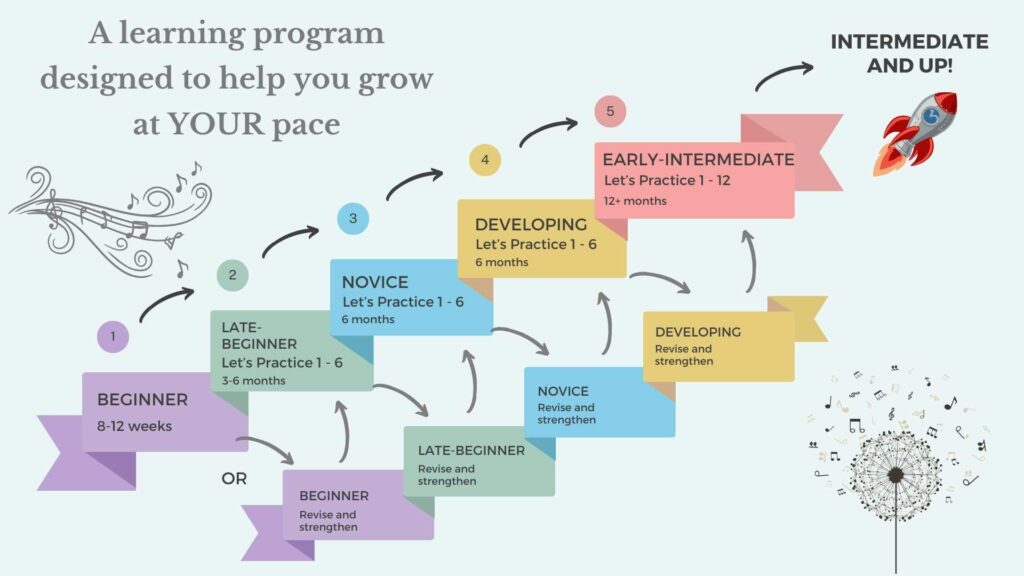
Traditionally, flute levels have been divided into three main categories – beginner, intermediate and advanced. Throughout my years of teaching, however, I have found these broad categories to fall quite short of accurately describing a flutist’s level. So to solve this issue, I have created more nuanced levels between beginner and intermediate and have called them novice, developing, and early-intermediate (to read more detail on these, check out our page on flute levels here).
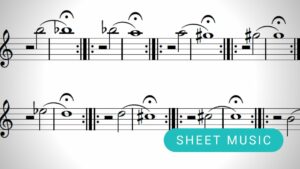
An early-intermediate player is a player who finds themselves just before the intermediate phase. They cannot quite play the intermediate materials yet, and that level feels just out of their reach. Early-intermediate players can get up to the third register G comfortably and may have started exploring the high A and Bb too.
Strengths of early-intermediate players
Early-intermediate players can pride themselves on the fact that they’re certainly not a beginner anymore. They’re past that very early stage where everything is new and they’re starting from scratch. If you’re an early-intermediate player, you’ve laid some important foundations on the flute already. Your tone is becoming more secure, you have learned quite a number of your scales and you’re able to play slightly longer and more complex pieces with more complex rhythms.
I have also noticed that students who fall into this category are often very motivated to learn and grow and reach that next intermediate level. You’ve come this far, right? And this is where the problem comes in…
Why are early-intermediate players being forgotten?
Since early-intermediate players fall just out of the parameters of the three traditional flute categories I mentioned earlier, they are often left out of the picture and not targeted as a group.
Let’s take practice resources for one. While there seems to be no shortage of materials for beginner and intermediate players, materials for early-intermediate players are quite limited. Often, these practice resources are aimed at children or they’re just collections of pieces to play through.
Even flute choirs or bands often target either beginner, intermediate or advanced payers to join them, but leave out that middle group of players. Sigh!
Last year I attended the National Flute Convention in Arizona and, as wonderful as the convention was, I was once again struck by the noticeable lack of offerings for this particular group of flutists.
How this may affect you as an early-intermediate player
When you reach the stage of being an early-intermediate player, you are actually at a crucial stage in your journey. You’re now standing on the launch pad to more advanced resources. However, due to the lack of resources and the material out there being either too overwhelming or too easy, it may make progress very difficult.
A lot of students at this level end up getting stuck there indefinitely or worse, giving up altogether. If you’re at this level, you may even find yourself becoming an on-again-off-again flutist, trying to push yourself further but just not quite getting there.
On an emotional level, being stuck in this kind of no man’s land may feel very demoralizing. Add to that the feeling of being overlooked in most flute-related settings and you’ve got a situation where motivation may be a real struggle for you. You so badly want to progress, but the (flute) powers that be aren’t making it any easier for you!
I hear you! As a teacher, I have seen so many students get to this phase and hit that invisible wall. It was making me increasingly frustrated and I was looking for ways to bridge this gap. This brings me to my next point…
Where to now?
There are, in fairness, some resources out there. Books like 125 Easy Classical Studies for Flute and 76 Graded Studies For Flute are good resources despite their drawbacks. There are also some good tutor books that provide you with some technical exercises such as the Rubank books that many adult students may remember from their younger years.
But, after working with these resources with students, it still felt like something was missing,
So after getting more and more frustrated by the lack of resources out there for early-intermediate players, I took the next logical step – I created my own😊.
Over the last two years, I have spent hours creating and adapting technical and long-tone exercises to make them work for this level. I’ve hunted down level-appropriate studies and pieces that are specifically designed for less advanced levels. All of these have been put together in an all-in-one resource called Let’s Practice which I’ve been testing and refining on our membership community over the years.
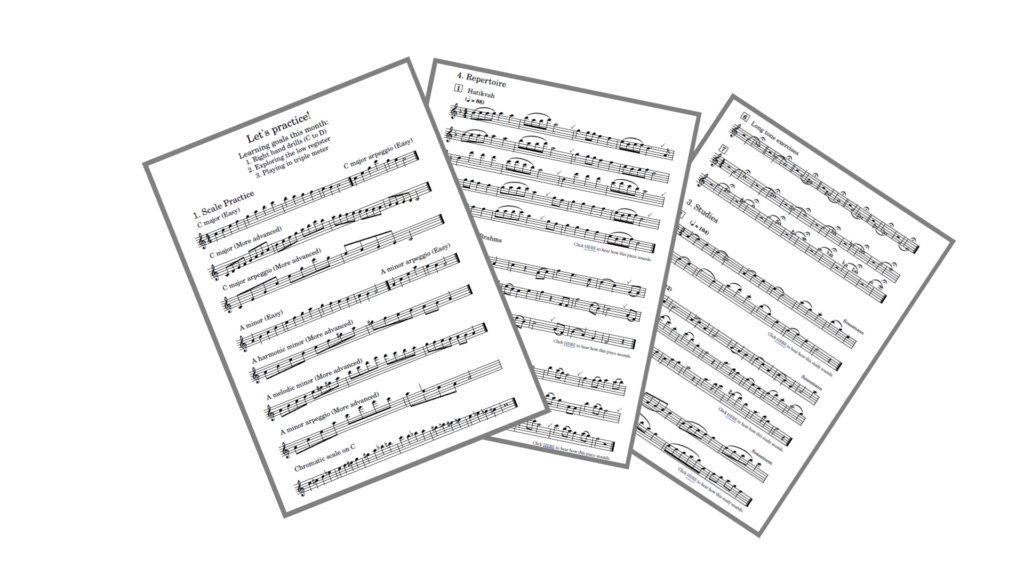
But I didn’t stop there. Over the years, a dream in my heart had grown to create a program for students that would walk alongside them in their learning journeys and offer them teaching and instruction while motivating and encouraging them too. I wanted to create a tool that would allow flute players in the earlier stages of playing to grow into fully-fledged, advanced players.
So I started building learning programs around the practice resources I mentioned earlier – teaching you through the material, introducing you to key new level-appropriate skills, setting a good foundation for technique and – ultimately – showing you how you can practice really well and get the most out of your journey! Thanks to modern technology and a lot of hard work, this dream is now no longer a dream, but a full-blown learning program that has been helping flutists grow and reach that next level.

We launched this program for our novice players last year and are about to release it for all our early-intermediate players. I am excited, to say the least! The pre-recorded videos mean that you can learn at your own pace and in your own time, but still have access to lively community sessions and connect with fellow players.
If you’d like to learn more, check it out HERE.
As early-intermediate players, you should be able to access support and resources, just like the other levels. I am hoping that with a program like Let’s Practice, Together!, we can start bridging that gap and giving you the best chance at success.
As always, happy practicing!
Tatiana






Responses