










We are in a time of the year when many in the Northern Hemisphere go on vacation and things slow down a little. Most of us would likely agree that taking some time off is good for us. However, what about taking a break from your instrument? You may be thinking: wouldn’t that set me back and undo all the progress I’ve made?
I asked myself the same question and took a fascinating journey of discovery into the pivotal role that rest can play in a musician’s life. Join me as I dive into some interesting facts about rest.
(Re-)defining rest
Let’s start with the general question: what is rest and how do we see it? For many people, rest may not carry nearly as much weight as work does. After all, on the surface, it doesn’t seem to be producing any results or moving us forward in any way. While we may know that taking a break is necessary, we certainly tend to place less value on it than we do on work.
Many people also see rest as the opposite of work or simply the absence of it. In his fascinating book on the subject, Alex Soojung-Kim Pang rejects the idea that work and rest are polar opposites. He describes them instead as partners who complement and complete each other.
What an interesting perspective! I’ve certainly been on my own journey when it comes to giving rest its rightful place in my life. Perhaps you have too.
Now, let’s get a bit more into the role of rest when it comes to your music.
Why are some musicians afraid of rest?
When reading various opinions and articles on the subject, one thing became clear, especially when it comes to professional musicians: the very real fear of falling behind if you dare take a break. Many musicians are afraid they’ll lose their musical edge or take a step backward if they stop practicing for a while. The question is: is this fear justified?
The short answer is no. In fact, research has shown that taking some time to rest can really benefit musicians in the long run. Let’s dive into some of these:
Periods of rest can enhance muscle memory and technique
Interestingly, rest can actually help us to consolidate any new skills we acquire. When we learn something new on the flute, be it a piece or a new scale, our muscles and neural pathways need time to process and consolidate those skills. So – amazingly – even when we put our flute away after practice, our minds keep working on those skills.

Rest helps prevent injury
While practicing regularly is generally a good thing, continuous practice without periods of rest can eventually lead to physical strain and potential injuries.
Fingers, arms and embouchure all need a break to alleviate tension. Giving your body a rest (both in between practice sessions and within a session itself) can help you to be more relaxed and therefore also help your fingers to play more fluidly.
Rest recharges your mental energy
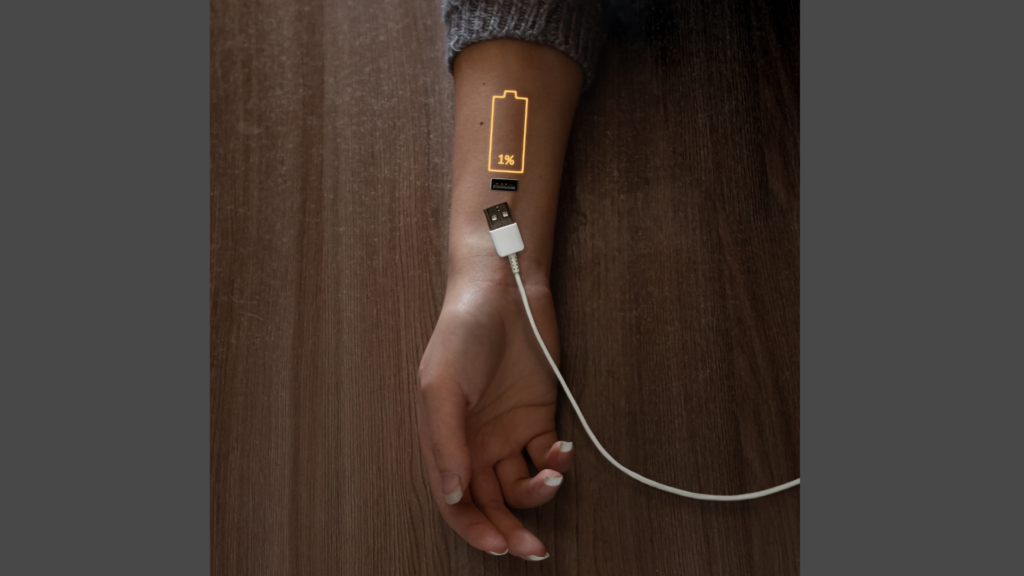
Not only does your body require a break, but your mind does too. Engaging in non-stop practice can certainly not only lead to becoming physically tired but also cause mental fatigue. When it comes to breaks, even short ones foster mental clarity and receptiveness to musical ideas. This helps to enhance your interpretation and expression of the music you are playing. A clouded or stressed mind will not yield the same results.
Rest prevents burnout and performance fatigue
In an effort to strive for flawless performance and artistic perfection, many players push themselves much too far. When all your resources are depleted, you really aren’t in a good position to perform or play at your best. Similar to athletes who rest before big races, it makes sense to rest before attempting to perform at your peak.
Rest can reignite your musical passion
Stepping away from your instrument for a while may actually help you to love it more. I think the phrase “absence makes the heart grow fonder” may apply here! Especially if you are getting stuck and are feeling a little frustrated with your playing, you may consider taking a break and coming back to it at a later stage.
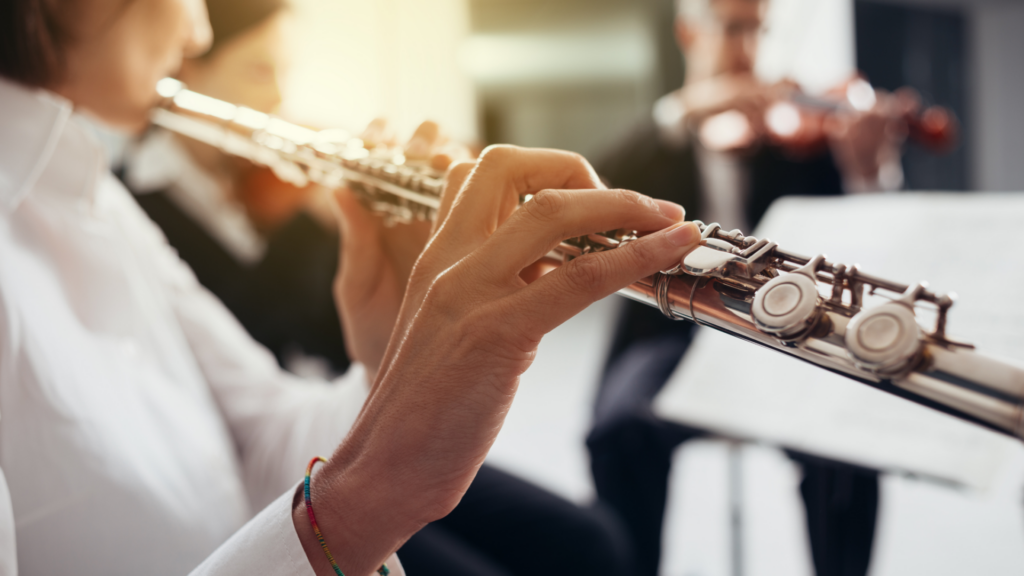
The value of microbreaks
We’ve been discussing longer periods of rest away from your instrument, but what about incorporating times of rest during a practice session?
Violinist Dr. Molly Gebrian has done some research on this and found that even just taking a small, 10-second break during your practice (for example when practicing a tricky part in the music) can yield amazing results.
Taking that short break within your practice time gives your brain some processing time, before attempting to play the same section that you’re trying to improve. If you’d like to find out more about microbreaks, click here to watch Dr. Gebrian’s video.
How can I use rest to help me improve my playing?
I think this is a very individual question that each person needs to answer for themselves. Your answer will depend on where you are in your flute playing and what your goals are.
I recommend doing an honest assessment of where you’re at. Are you feeling burnt out from practicing too much? Perhaps you’ve noticed that you are more frustrated than you used to be. Then taking a step back might be helpful.
Maybe you’d like to try incorporating microbreaks into your playing and see if it makes a difference to your playing. Or step away from your instrument for a week or two. Perhaps you’d like to take the day off before a big performance, rather than pushing yourself to practice for hours before the event.
Tatiana’s tips for rest
I asked Tatiana what she would recommend in terms of rest. Here is what she said:
“I strongly encourage my students to take a full break at least once a year, preferably twice or even three times. I encourage them to line up these times of rest with holidays or summer breaks when they may be stepping away from their usual routines anyway. It’s an ideal time!
I have experienced again and again just how powerful these breaks are. Students come back and have often improved! Sometimes, I literally force students to put their flutes down for a full week. Many find this challenging.
I encourage other levels of rest too. Rest during the week. Take a weekend break if needed! All our courses include rest and catch-up days too.
I also encourage regular moments of rest during your practice day. Every 10, 15, or 20 minutes, take a break! I would NEVER recommend playing for hours at a time. It is a huge waste of time and honestly, just dangerous. Put on a stopwatch if you need to, but take a break. Drink some water, pet your cat, or do something else for a while.”
Let’s take some time this month to consider how we can include rest in our practice routine. And let’s share our experiences – we’d love to hear how taking breaks has worked for you!


Responses
[…] read more on the role that rest can play in your flute practice, head on over to one of our recent blog posts entitled “How rest can revitalize your […]
Thank you so much for this article, it really helped me. I have a huge performance coming up that i care a lot about and I’m so not ready!! But my day job is very demanding and I’ve been having tendinitis symptoms the past week or so. Anyway i was going to push myself to practice even though today was particularly bad for my wrist/arm. I am going to choose rest and try to trust that it will help in the long run
Hi Carey,
Ah, I’m so glad you like the article and that it helped you!
[…] Rest could mean something as simple as taking a 2-5-minute break during your practice session, right up to taking a few weeks off from your flute completely. Incorporating rest into your practice routine is wise and necessary. We have a great blog post on this topic too- check it out here. […]
went away for a week…took a cruise. when I came back while I had new music to learn for a performance, it was easier to practice because I have been away for 9 days. I missed it, breaks are necessary
Absolutely agree, Michelle. Breaks are so necessary! I’m glad to hear that the break worked for you and made it easier to practice.
Thank you for your article. I will be thinking about it.
I play the harmonica and am learning piano. Also I enjoy singing. I don’t play the flute but have enjoyed Tatiana’s videos and musicality for several years.
God bless you.
Michael
Thanks for your comment, Michael. Yes, there is a lot to learn here, even as a non-flutist! Glad you are enjoying the videos and our content.