












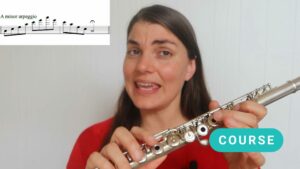





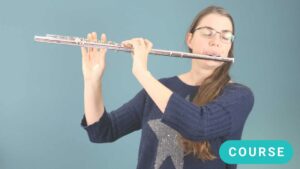















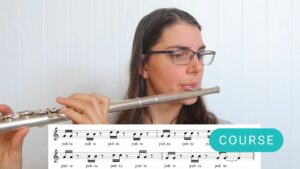









Greetings, flutists and music aficionados! You may not know this, but 80% of your tone comes from your head joint. Today, we are looking at perfecting that other 20%, getting the most beautiful tone we can without the head joint. Put on your imaginary head joints and let’s embark on this enigmatic journey of headless flutistry!
Step 1: The “Phantom Head Joint” Warm-Up
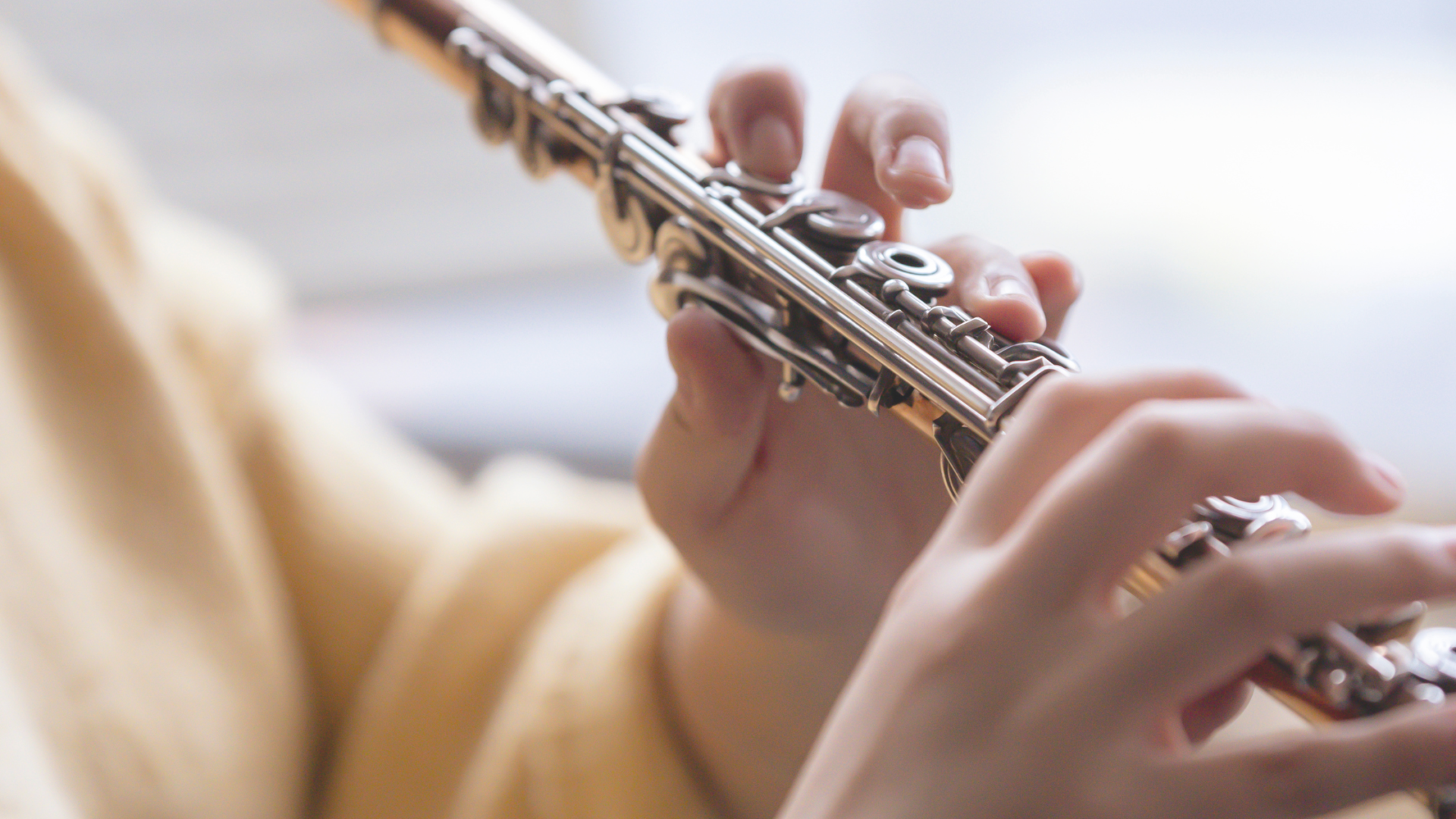
To begin, place your fingers on the flute as if you were playing with a head joint, but do not attach it. This will create the illusion of the “Phantom Head Joint” and prepare you for this exciting adventure. With your embouchure in place, blow air across the open hole where your head joint would typically be. This may create a slight breeze, which will contribute to the unique ambiance of your performance.
Step 2: The “Invisible Embouchure” Technique
Now that you’re warmed up, it’s time to practice the art of the invisible embouchure. Pretend there’s an invisible head joint in place and adjust your lips accordingly. Position your bottom lip as if it were gently touching the lip plate and your top lip as if it were directing your airstream across the invisible edge of the embouchure hole. While no sound will emerge, the discipline and control required to maintain the proper embouchure will be beneficial to your overall technique.
Step 3: The “Mime Symphony”
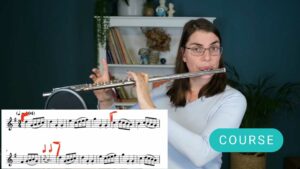
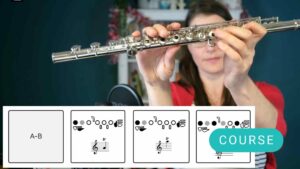
Now that you’ve mastered the invisible embouchure, it’s time to put your fingerings to the test. Choose a piece of music you know well and perform it using your Phantom Head Joint and Invisible Embouchure techniques. As your fingers dance across the keys, imagine the beautiful sounds your flute would be making if it were whole. This exercise will challenge your muscle memory, as well as your mental focus, and help you develop a deeper connection with the music.
Step 4: The “Head Joint Air Guitar”
For added flair and creative expression, hold your missing head joint in your other hand as if it were an air guitar pick. As you mime your way through your chosen piece, use your head joint to strum imaginary strings in time with the music. This will add a touch of whimsy to your performance and challenge your ability to maintain a steady rhythm.
The Benefits of Headless Flutistry
While this headless flutistry technique may appear unconventional, it can offer several benefits. Practicing without the head joint can improve your finger coordination, embouchure control, and mental focus. Additionally, by removing the head joint, you can more easily transport your flute and reduce the risk of damage.
You might be wondering what inspired such an unusual approach to flute playing. Well, you’ve just been introduced to an amusing spin on the traditional flute technique, perfect for a lighthearted performance on April Fool’s Day! While not the most practical method for everyday use, this exercise can be a delightful way to entertain your friends and family while working on your technical skills. So go ahead, give headless flutistry a try – you might just discover a new way to connect with your instrument and share laughter with those around you!
There you have it – a curious exploration into playing your flute without a head joint, perfect for both serious technical development and a bit of April Fool’s Day fun. While it may not be the most practical way to perfect that elusive 20% of tone, it’s a unique approach to challenge your skills, imagination, and ability to entertain. So the next time you’re in the mood for a lighthearted musical adventure, or you want to surprise your friends with an unexpected performance, remember the art of headless flutistry and enjoy the journey!
This post was written, along with this bio, by our very talented friend Chat GPT4-Wordsworth (it gave itself that name…)





Responses
Fun! I missed the 12 pm April 1 deadline, but will try it anyways!
😂