

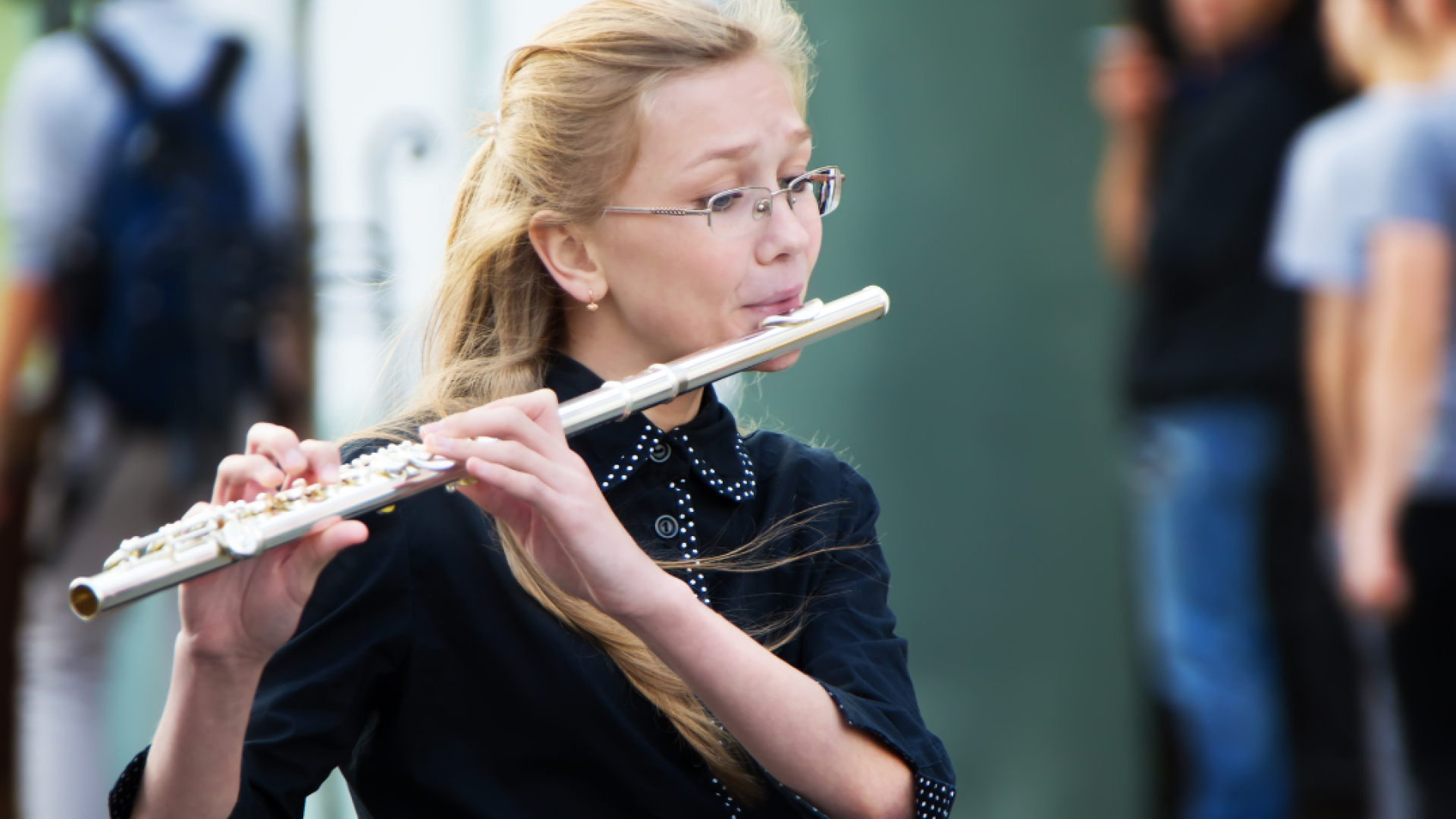
If you’re learning the flute as an adult, you may see your age as a drawback rather than an asset. Well, I have good news, being an older learner doesn’t have to mean you’re automatically at a disadvantage. In fact, learning and playing the flute as an adult comes with many wonderful advantages. Let’s explore what they are and start making full use of the benefits that come with age.
- Intrinsic motivation
As adults, we get to decide what interests us and what we want to learn. Being able to do that gives us much more control over our learning and also increases our motivation.
Unlike children, who need external stimuli to learn, adults rely much more on intrinsic motivation. Learning a skill as an adult is normally a conscious choice. As a result, our approach is completely different from a child’s or someone who’s being made to study something. Our motivation comes from within.
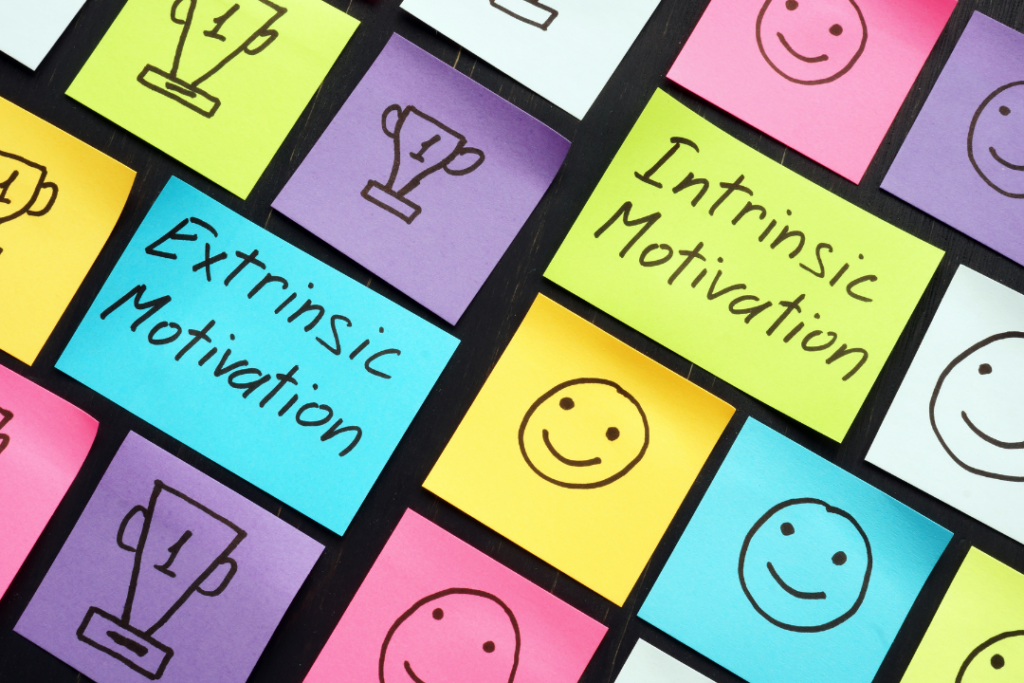
And even when our enthusiasm does wane a bit as an adult, we always have the power to go back to our why, to remind ourselves of why we’re learning and get freshly motivated.
- Life experience
Next on the list is life experience. As adults, we have a wealth of prior knowledge to draw from. We’ve been through various stages of life, learned things, perhaps experimented with different ways of learning, and acquired skills and knowledge. We’ve got stories to tell. So what is the significance of that?
Well, everything you’ve experienced or learned so far facilitates future learning. In fact, this is how our adult brains learn: We connect new information to what we already know and expand our knowledge and skills that way. While children rely heavily on repetition, previous knowledge plays a much bigger role in adult learning.
So next time you are lamenting your age, think about that. Your previous knowledge and experience is actually helping your brain to acquire and assimilate new information. And the more experience you have, the more your brain can draw from and fall back on!
- Personalized learning
Another great advantage of being an adult learner is that you get to personalize your learning. So instead of being forced to follow a one-size-fits-all method, you get to carefully consider how you learn best and apply that knowledge to your learning.
As kids, we’re often just following a program or curriculum that’s been selected for us. We also don’t know ourselves that well yet, which makes articulating our learning preferences a little more difficult.
As adults, we get to be that much more specific about how we learn best. The more we connect our learning to our personal needs and goals and adapt it to who we are, the better we learn. Our learning will be relevant and meaningful and that in turn will help motivate us.
Let’s look at some examples. If you know you are a visual learner, you will be sure to include plenty of pictures and videos in your learning to maximize that preference. Or if you know you function best at night, you won’t be beating yourself out of bed in the early hours of the morning – that would be silly, not to mention counter-productive.
Maximizing learning potential is one of the things that really excites me. I love seeing students get to know themselves better and implement effective learning methods to reach their goals. If you’d like to know more about this aspect of your learning journey, check out our recent blog post entitled “5 ways to find your learning sweet spot”.
- Focus and attention
If you’ve ever spent any time around children (especially younger ones), you’ll know that their attention span is short. They usually get distracted easily and can’t last all that long doing just one activity. As adults – and again, this is where motivation and knowing why you’re doing something plays a pivotal role – we can often focus for longer.
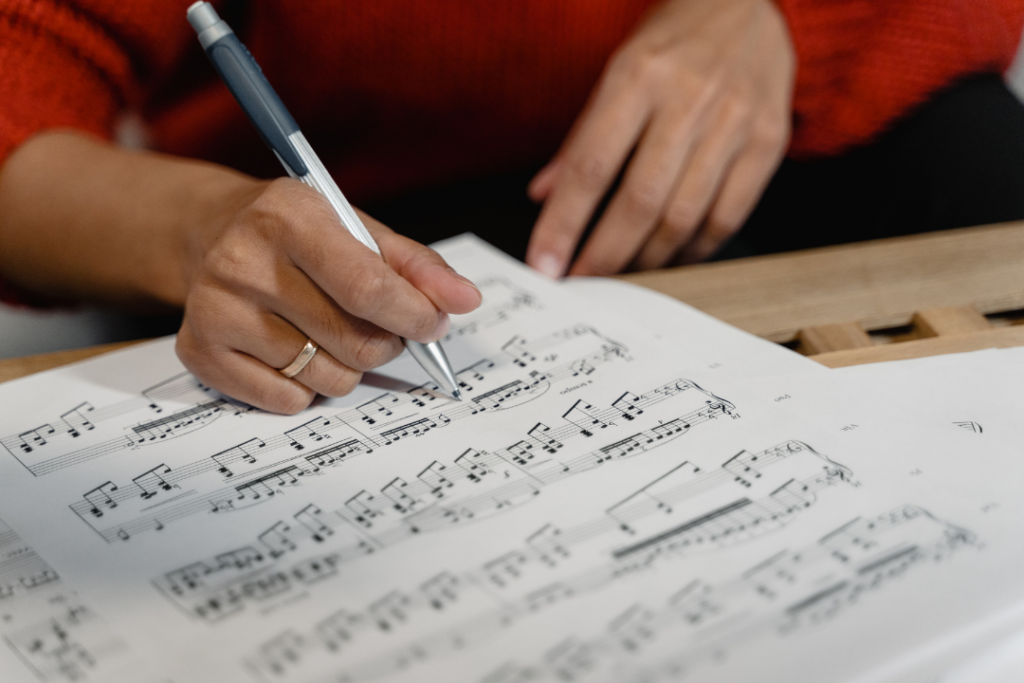
Even though we all get distracted at times (especially in this digital day and age!) older learners have usually put thought into their learning and are pursuing it very consciously. So when it’s time for a practice session, they focus and concentrate, since they know that doing so will help them to get ahead.
Being an older learner also means that generally, you are more settled in life and have probably already made many of your bigger life decisions. This may also leave more space for you to focus on your flute and pursue it in a more wholehearted, focused manner.
- The ability to reflect on your learning
While kids can certainly learn to reflect on their experiences, I would say that this is not a natural tendency that they have. Children usually favor being present “in the moment” and are not so interested in analyzing or reflecting on what has been.
As adults though, along with the life experience and self-knowledge we’ve acquired, reflection may come a little more naturally to us. It helps us to know what is going well and what isn’t and try and make a plan to change that.
When we regularly reflect on our practice, we make sure that we are optimizing our learning and staying in touch with what we have set out to do.
Some last words…
In a nutshell, we generally have a lot more control over our learning as adults. This also makes learning a more enjoyable, fulfilling and meaningful endeavor.
So if you’ve been feeling a bit negative about your age lately, take heart! You have a lot of good things going for you as a more mature learner and you don’t have to stop learning either. The sky’s the limit!


Responses
Check out New Horizons International Music Association.
That is how I got back to playing my flute and now play in two bands plus a performing often flute trio.
Thank you! That was edifying and reassuring. How do you pronounce your name?
Terry
Glad to hear it, Terry! It’s pronounced Re – nah – ta : )
I’m a 71-year-old and I’ve been studying flute for about 1 and a half years. Everything you have said is correct and is basic to educational psychology (which I studied for a PhD). The only thing you didn’t mention is whether adults are more apt to know how to do ‘deliberate practice’ techniques. I know quite a few techniques, but have also been helped by my teacher. It’s very helpful. Great blog article!
Very very true! I think this is a huge advantage that adults have over younger students!
Hey Jody, I just finished writing about my experience of starting to learn flute at the age of 60. I’m now 64 and constantly see myself as old in comparison to the mostly very young students that attend the music school. When I read your comment, it reminded me that I’m only one of many older adults and, although it is a folly to differentiate ourselves by age, I do admire your courage. It is a joy to see the benefits of committed practice, isn’t it?
Hi Jody, yes, I think deliberate practice is definitely something that adults would probably be better at than kids, thanks for pointing that out!
I started to learn the flute at 56 now 16 years ago mainly as I was looking towards retirement and I wanted something to do indoors when the British weather was not really conducive to outdoor activities . It was one of the best decisions I could have made, it has opened up new opportunities playing in a group ( U3a) and at church, my teacher has become a lifelong friend. The only negative thing about learning as an adult is performance anxiety children and young people do not seem to be so concerned about.
Hi Graham, thanks for sharing. It’s wonderful to hear how playing the flute has opened up so many opportunities for you! I guess performance anxiety can strike at any age, if you ask me. I was certainly very nervous as a young musician and less so now. All the best!
Renate, I appreciate all your points about the benefit of learning to play an instrument at an older age. I started at the age of 60 and often consider how much quicker children absorb these skills when my progress seems slow. Having taken a little piano as a child, I recognize the benefits of that early learning provides me now; it makes stepping back into the world of music a little more comfortable than it would be if starting with no musical knowledge.Thank you for your encouragement!
Hi Rebecca, you’re welcome, glad to hear you were encouraged. Yes, I am sure having those musical foundations in place was helpful for your flute journey as an adult!
Thank you for the blog! I’m 75 and re-started playing the flute 2 1/2 years ago….My teacher is actually older than I am. I started playing at age 9 but once I finished high school didn’t have many opportunities to continue due to my subsequent school and family situations. After trying to play a friend’s flute a few years ago I was shocked to find I could still remember at least some of the fingerings and could get a somewhat decent sound out. I play a bit at church and am hoping to be able to be part of a group at some point although there aren’t lot of options here. I do enjoy learning music I never expected to be able to play. Right now we’re working on the Nutcracker which I can play (slowly) but I’m having a lot of fun with it.
Hi Nancy,
You’re welcome. Wow, that’s incredible, what an encouragement! We love hearing stories like this, thanks for sharing.