

I think it’s safe to say that we all want to learn well and effectively. Yet many of us are still figuring out how to do that. We may have had some bad learning experiences in the past. Or we might find it hard to stick to a practice plan or simply don’t understand how we learn best. Whatever the case, let’s dig into some ways to find that learning sweet spot!
1. Reflect on past learning experiences
Let’s start with past learning experiences. Perhaps many of these were less than ideal. Many of us were forced to learn things we didn’t care about when we were younger. Or we just had a bad experience – be it that teacher who always picked on us, being forced to practice for hours on end, or maybe just not enjoying the learning process. Perhaps you had to play music examinations year in and year out, whether you wanted to or not. The list goes on. I am focusing on the flute, but these negative learning experiences could be completely unrelated to music.
As an adult, however, we have so much more freedom to choose the parameters of our learning – for instance, when, how, how much, and with whom we learn. Rather than being pushed to do things a certain way, we now have that much more independence. This gives us a huge advantage. Even so, many of us may still carry the scars of previous negative learning experiences. So, how do we let these negative experiences go and embrace better ways of learning?
The first step is to take stock and reflect. Think about past learning experiences. Which ones were negative, and which ones were positive? Why were they positive or negative?
Let me give you an example from my own life. When I was a teenager, (yes that awkward, insecure stage of life!) I hated learning in a big group. Whenever the teacher would call on me, I would completely shut down. I just couldn’t relax, knowing I could be called out at any moment. The thought of being embarrassed in front of my peers was more than I could bear, so I ended up in a constant state of tension. This inhibited my learning considerably.
On the other hand, I have good memories of my much smaller music class which consisted of only 9 or 10 people. I felt more comfortable participating and as a result, learned more. While a lot of this experience was undoubtedly tied to my age and stage of life, I still prefer to learn in smaller groups or one-on-one.
I encourage you to think about past learning experiences and learn from them. What have they taught you about your likes and dislikes or how you prefer to learn? I learned as far back as my school years that I was more suited to a smaller learning environment than a bigger one.
Those learning experiences don’t need to be that far in the past either. For example, one of my most recent learning experiences was an online course I signed up for on editing. What I loved about this course was that I could do it whenever I liked. Plus it had a practical component, forcing me to be more active in the learning process. Both those elements were positive for me and taught me something about how I like to learn.
Bottom line – take some time to reflect on your past learning experiences. What worked for you, what didn’t? Even better, write your reflections down.
2. Get a clear picture of how you like to learn
Having a clear picture of how you like to learn is crucial. The good news – as an adult, you have life experience on your side! You’ve been through various situations and hopefully know yourself a little by now. Ideally, you’ll know what makes you tick (and doesn’t!). Past learning experiences will help with this too. Here are some questions to get you started:
- Do I prefer learning with others, by myself, or something in between?
- Do I learn best under pressure (i.e. with fixed deadlines) or when I have more flexibility?
- Do I need firm guidance or do I like exploring things by myself? (Again, it could be something in between too)
- What time of day am I the most awake and receptive to learning?
- What kind of learner am I? Two of the most common learning types are visual and auditory, but there are others as well (feel free to do your own research on this). Knowing this will influence some things you need more of during a typical practice session. For example, if you’re more visual, you may enjoy keeping a practice journal or a vision board to see and record your progress. If you’re auditory, listening to flute music could be something that helps you on your musical journey.
Answering questions like these will give you a clearer picture of how you learn best.
3. Experiment with different ways of learning
If you’re still unsure how you learn, try different things, and experiment. For example, if you like being a part of a group you can interact with in person, try joining a flute choir. See if it works for you. Perhaps you’ll love it or find it’s not for you. But at least you’ll have tried.
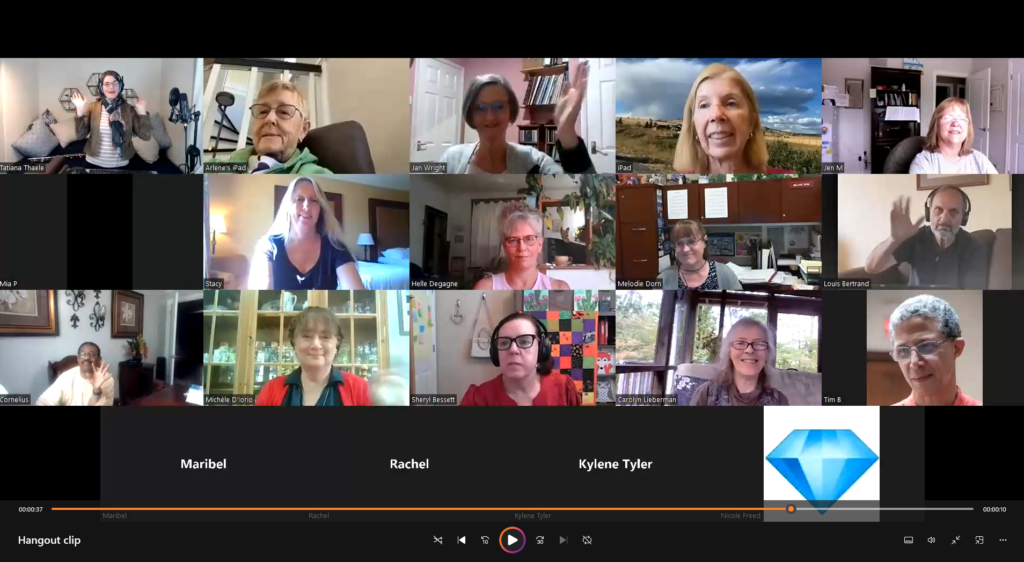
Many of you may have been skeptical of our Let’s Practice, Together! flute learning program at first. You may have asked yourself: How can I learn effectively by watching videos at home? We now know many of you have been pleasantly surprised that it does work, and quite amazingly so! (Click here to sign up or find out more)
I encourage you to keep an open mind to learning, especially if you’ve had bad experiences before. Keep trying different things so you can find out what works for you.
4. Work with, not against yourself
It’s important not to work against yourself if you want to find your learning sweet spot. Once you’ve figured out how you prefer to learn, use all that information and work with those preferences.

For example, if you’re a night owl, please don’t force yourself out of bed at 5 am and make yourself practice! It will be counterproductive. Rather set aside a time at night that you can stick to more easily.
Or if your concentration starts to wane after 20 minutes of practice, stop there. That’s your learning sweet spot! Rather than pushing yourself to practice for 40 minutes or longer, opt for two blocks of 20 minutes each, or even just one. We’re always after quality, not quantity in our flute practice. Listen to your mind and body!
5. Find the joy!
This is my favorite point of all – the joy factor. My learning as a younger person was everything but joyful, it had much more to do with fear. Perhaps you’ve had a similar experience. As an adult, often snowed under by daily duties and responsibilities, I have had to make a deliberate effort to excavate that joy and find it again. How about you?
Joy can often be elusive, but it can always be found. When you play your flute, look for joy. Even if not all the aspects of practice are equally enjoyable, and there are the inevitable bad days, playing the flute should bring you joy on some level.
Sometimes things can hinder the flow of that joy. For example, when you practice at the wrong level. This can cause frustration and discouragement. (Read up on flute levels here) Or lack of support as a flute player, making you feel isolated and alone. (Read about community support here) Whatever it might be, I encourage you to keep trying to catch that joy – don’t let it float away! Even research has shown that we learn much better when we enjoy what we’re learning, so it’s worth finding and holding on to joy.
Lastly, I want to encourage you to look forward if you’ve had bad experiences with learning, embrace the freedom of being able to choose how you learn, and ultimately find your way back to joy. Here’s to finding our learning sweet spot. 🥂
Happy practicing!




Responses
I’m an adult learner and a professional singer, who has wanted to study the flute for decades! It was nice to read this article and know that for the most part I know how I learn. The one bit that I need to remember is to FIND THE JOY! I’m a Type A personality who works really hard at everything. Finding the joy is sometimes difficult for me, but I’m working on it. For me, the joy is actually paying pieces! I now make time for just playing the pieces I enjoy playing. Makes all the difference.
Hi Jody, thanks for your comment. I’m so glad you have discovered what brings you joy, it’s so vitally important to keep that alive.
[…] Maximizing learning potential is one of the things that really excites me. I love seeing students get to know themselves better and implement effective learning methods to reach their goals. If you’d like to know more about this aspect of your learning journey, check out our recent blog post entitled “5 ways to find your learning sweet spot”. […]