











Let’s face it, scales can be a little…well, boring. In fact, this is one of the biggest complaints I hear from students. My response? Maybe you haven’t been practicing them correctly!
There are many reasons scales are important and we won’t get into all of that now (check out this blog post if you need more convincing!) but one of the big reasons I love scales is that they give us a chance to practice everything else. And this, my dear friends, is the secret to making scales more fun. Let’s explore that a little further…
Practice your scales in different articulations
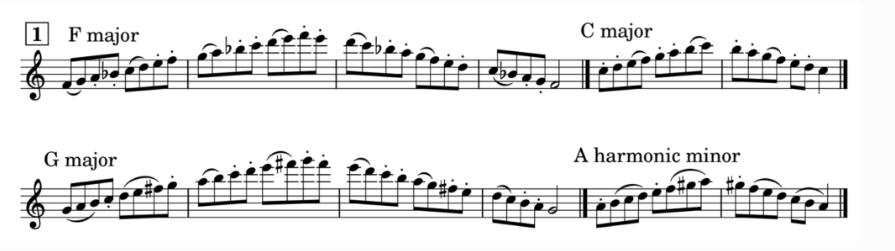
A way to break up the monotony of practicing scales in the same way is to use different articulations when you play. This not only makes the scale sound more interesting, but it is also a great way to practice your articulation. So you could play the scale in different articulation patterns, using double or even triple tonguing, and voila! – the scale becomes more fun and immediately sounds different, plus you’re giving your tongue some exercise.
Play them beautifully
For heaven’s sake, play your scales musically! Just because a scale is not a piece, does not mean you shouldn’t play it musically and not use phrasing. The way you deliver a scale can make all the difference and turn a boring exercise into a beautiful musical expression. Plus this will actually do wonders for your tone and fingers. So from now on, only beautiful scales! Got it? Good.
For an extra dose of fun, you could even try to attach different emotions to your scales. Play one that sounds sad, or another that sounds happy. Try a scale that sounds tentative or angry. I think you get the point!
Practice them with different rhythms
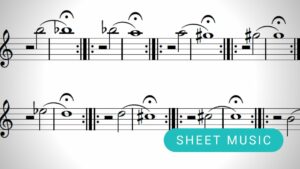
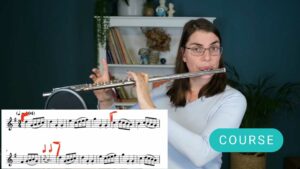
This is not just a great way to keep your mind entertained and engaged, it also happens to be an excellent way to learn your scales and improve your technique. Here are just a few rhythm ideas from The Flute Practice Scale Book to help you get started.
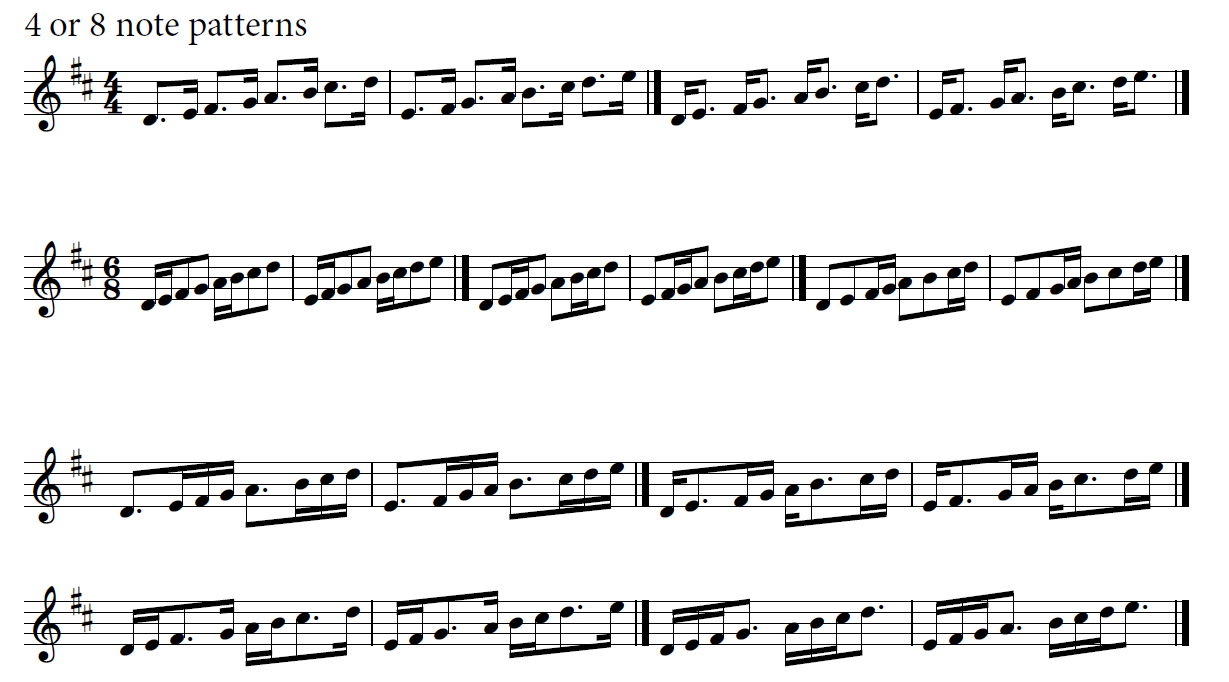
Plus, you can get pretty creative with this and have lots of fun making up your own rhythms. Seriously, try it!
Practice them as technical exercises
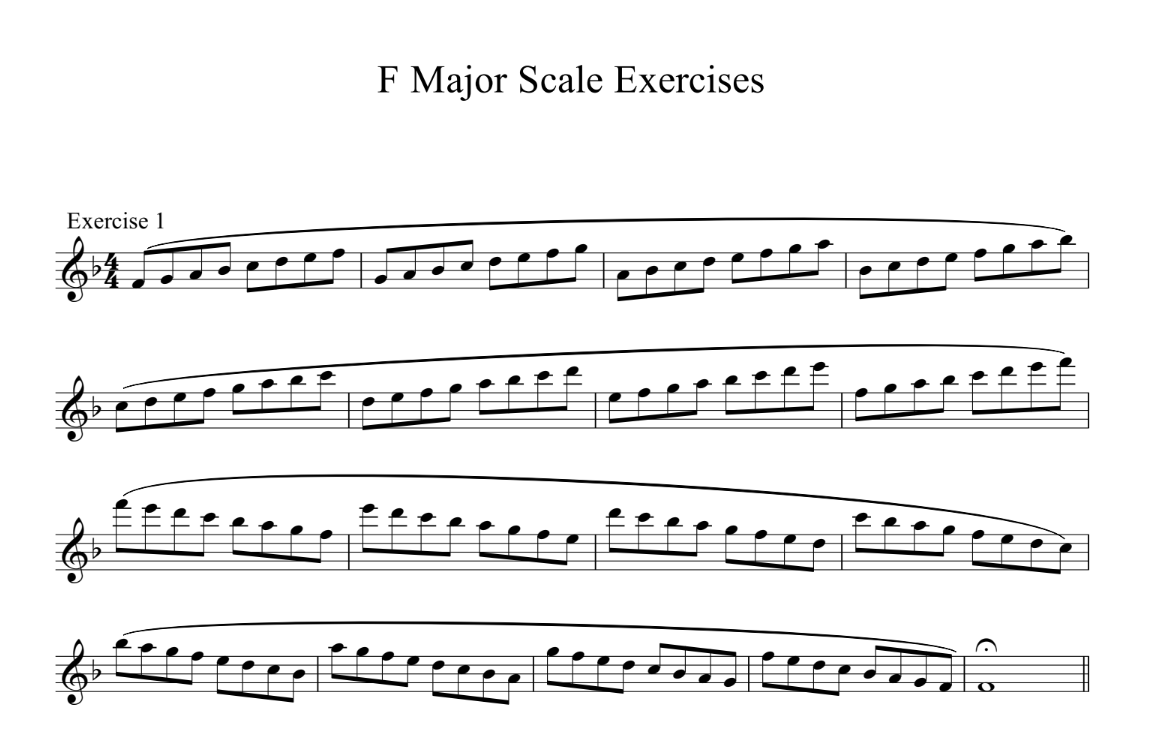
You could also try transforming your scales into a technical exercise. For example, you could vary your starting notes on a particular scale. So if you’re playing F major, start on F as usual, and on your second run, start on the next note G, and so on. Bringing that kind of variation into your scales will help make them a little more enjoyable and sound different.
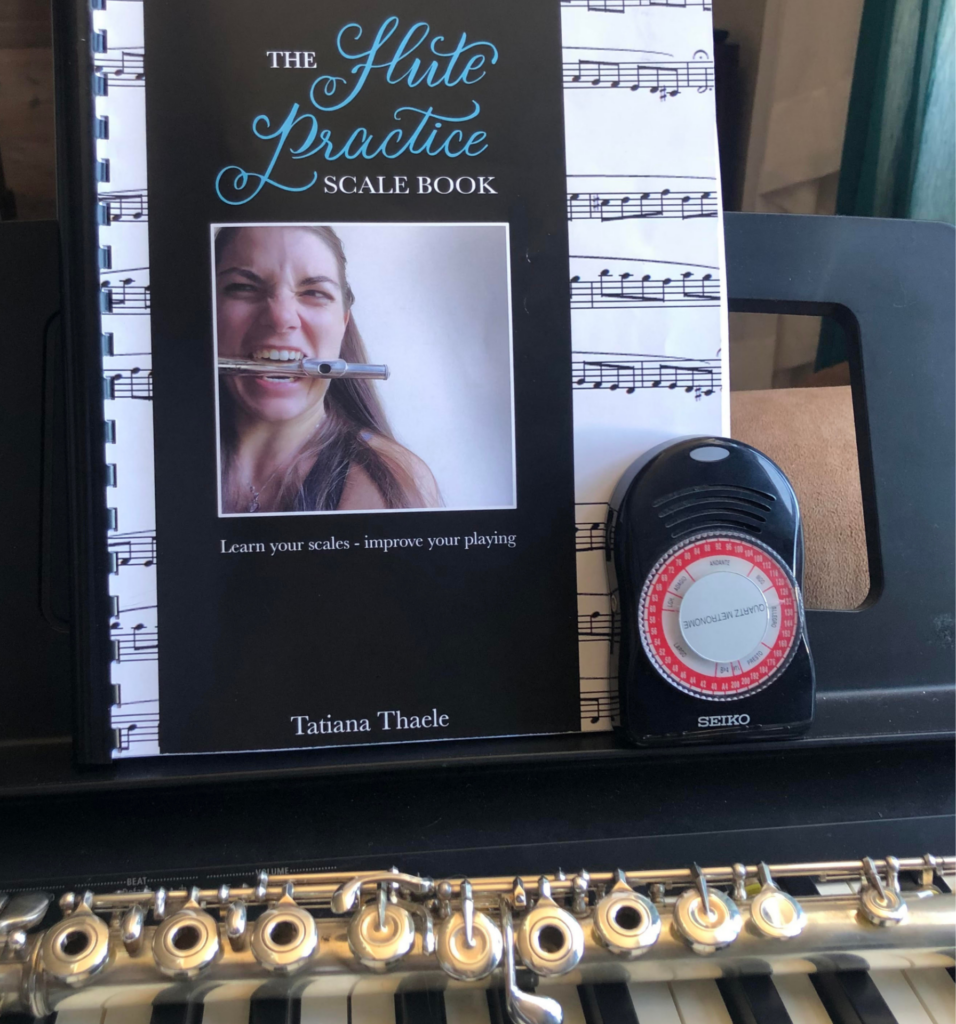
If you want a whole lot of wonderful and fun scale exercises along with daily practice plans showing you what to practice each day, you will want to get your hands on our flute scale book. The book is ideal for intermediate and up players, although many of our early-intermediate players love it too.
Practice them with a metronome
Wait! Please, before you go. I know I tend to get lots of rolling eyes whenever I mention a metronome. And you are probably thinking I have combined two of the most boring things in the world, but, hear me out.
You can use your metronome to challenge yourself. Start at a slow speed and gradually increase it. Every day, write down your fastest speed. See! Your scale practice just became a fun game. Over time, you will discover how your scales can get faster and faster and this becomes a fun challenge rather than a boring exercise.
Practice them with scale cards
Scale cards are a great way to turn your scale practice into a fun game! You can either create these yourself or purchase them (for example here). The idea is simple -write the name of each of the scales you are playing on a separate card. Then work your way through the cards and play whatever scale is on the card.
I used to divide my cards into three piles, especially before big examinations. Pile number one contained the scales I could play easily and flawlessly, the second pile contained the ones that still had one or two mistakes in them, and then the last pile contained the scales that still needed a lot of practice. I would start working on the difficult ones first and work my way back. Then I would repeat this every day, and let me tell you, that focus and repetition helped a lot! Plus, it felt like a game and so it became that much more fun.
Shifting your mindset
Essentially, what I am asking you to do is shift your mindset. You can choose to see scales as a boring exercise in futility or you can use them for the useful tools that they are.
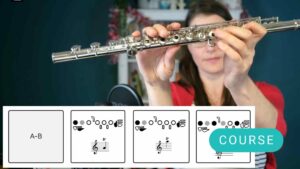
If you are looking for a seriously fun way to tackle your scales, one at a time while working on tone, breathing, articulation, rhythm and so much more, you will want to check out our Flute Scale Course. We walk you through the scales, teaching you how to play them, but also how you can get the most out of them and have so much fun. PLUS, we give you access to the digital copy of our Flute Practice Scale Book so you can continue to get the most out of your scale practice for the years to come. Learn more about the course here.
It’s time scales lost their bad reputation, don’t you think?
Happy practicing!





Responses