


























Before I launch into the five reasons that scales DO matter, I would like to briefly introduce myself to those who don’t know me yet. My name is Renate, and I’ve been an official member of the Flute Practice team since January. You may have seen some of my blog posts in the past. Well now it’s official – I’m the designated wordsmith behind the scenes and sometimes in public! I love writing content for this community because I wholeheartedly believe in its mission to make learning an instrument a joyful experience, not one that causes stress and anxiety. Speaking of which, let’s get stuck into our topic for today – scales and why they matter.
If you’re anything like me, you hate scales. OK, hate is a strong word. Dislike perhaps. If I were to take a poll, I’m guessing it would not yield too many adoring scale fans. Why is that? If I had to take a guess, it’s because they’re boring and you have no idea which ones to practice, how often or even just how to tackle them in general. So you kind of ignore them, hoping that you’ll improve your playing, regardless of whether you pay attention to scales or not.
As a young musician, all my teachers would make me play scales but not one of them ever explained to me why I needed to be practicing them on a regular basis. If you are in the same boat, let’s change that! We’ll look at five reasons why scales are in fact your friend and not your enemy. So here goes…
Reason 1: Scales create structure in your practice routine
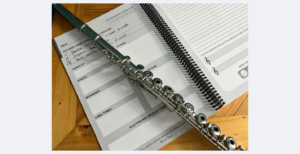
By setting aside some dedicated time for your scales every day, you’ll help create a regular routine for your flute practice. If you tend to struggle to stick to a systematic, consistent plan when it comes to the flute, adding scale practice to your routine may really help you to create that structure. Also, by following a scale plan, you won’t have to rack your brains as to what you should even be practicing. Read more about our useful Flute Practice Scale book at the end of this blog, which actually has a plan already worked out for you.
Reason 2: Scales build technique
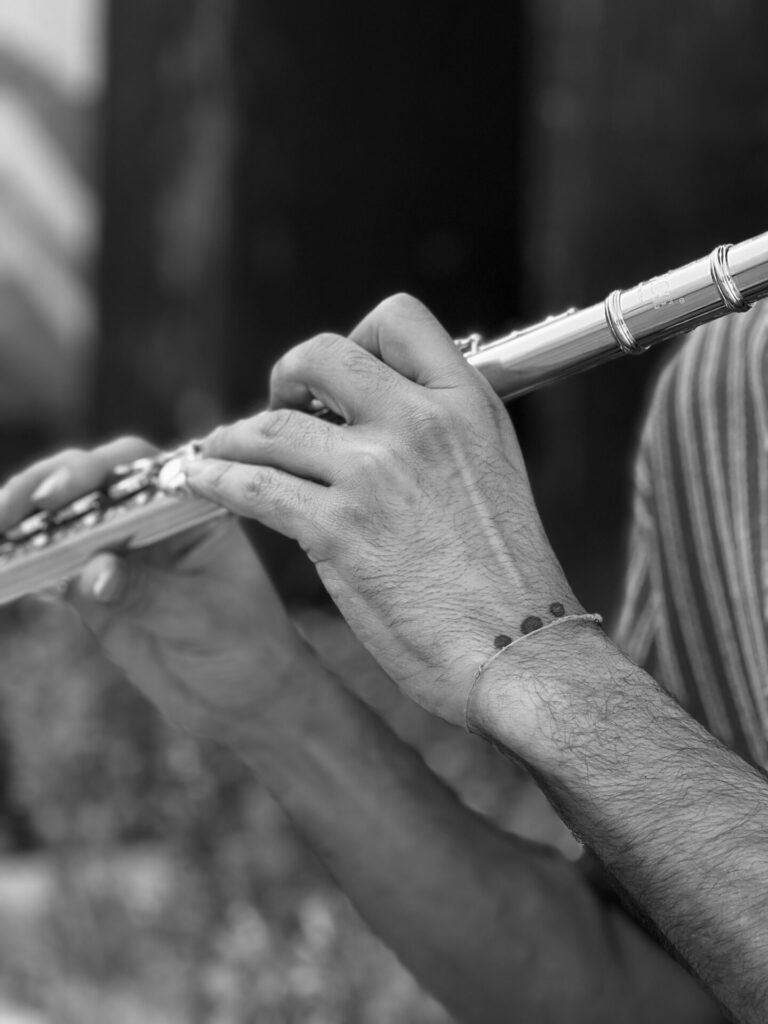
Scales help you to develop a range of technical skills on the flute – from finger dexterity – i.e. being able to move your fingers in a fast and effective way – to hand positioning and breath control. Practicing scales will help you to improve your technique. This means you’ll be able to play with more accuracy while increasing your playing speed. So those tricky transitions will sound that much smoother and help you to sound more elegant when you play.
Reason 3: Scales improve tone quality
Because scales involve playing notes in high and lower registers, especially if you are playing two or three octaves, your tone is sure to improve. As you practice your scales consistently, you will also become more aware of your breath, which will lead to a clearer tone. Playing scales on a regular basis will eventually lead to a fuller and richer sound.
Reason 4: Scales sharpen your musical eyes and ears
Practicing your scales will help you to develop a sensitivity to patterns and intervals in music. What this means in practice is that you will be able to identify sequences and patterns in a piece of music that much quicker, without even giving them a second thought. This is almost comparable to learning to read. The first step is to learn the individual letters of the alphabet. These form the building blocks of the language. Once you get better at knowing those letters and what they stand for, you start reading words as a whole, not as individual letters anymore.
Musical notes work similarly. Training your scales will help you to really sharpen your musical skills, especially in terms of your musical ear as well as your sight-reading abilities. You learn to recognize the patterns and hear what they sound like before you even play them. By practicing scales on a regular basis, your music “literacy” will improve and your musical senses will become heightened.
Reason 5: Scales prepare you for performance
Scales also prepare you to perform, whether it’s for an examination, an audition, a concert or a recital. Many pieces of music incorporate scales. Examinations also often require the performance of scales. So what better way to tackle these challenges than by making them a regular part of your routine? Doing this will ensure that you can play them confidently when the time comes.
At this point you might be thinking – well that might all be true, but I still don’t like scales! I hear you. They aren’t always fun to play, but knowing WHY they are useful is a good place to start. Think of them as tools in your flute toolkit. If harnessed and implemented correctly, they can really do wonders for your flute playing.
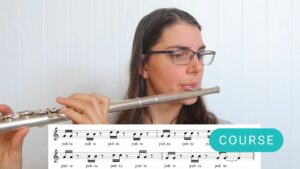
And to make all this even easier, we’ve created The Flute Practice Scale Book that actually contains level-appropriate plans that will tell you exactly what scales to practice and when. But, you may feel that need more than just a book. You need something (or someone) to motivate you on your journey and teach you every step of the way. Our Flute Scale Course does just that. Based on the content of the book, we guide you through your first 10 scales, showing you how to approach them, get the most out of them and, ultimately improve your playing.
This is a fantastic time to join the course. We are re-launching it as a community on the 22nd of March, which means you can give your scales a real boost by connecting with other players and benefitting from the added accountability of this group effort.
Happy scale playing!



Responses
Thanks for this! I needed to hear these reasons again- both reassuring and challenging. Creates a stronger sense of purpose>
[…] Want to know more? Check out our blog post on why scales really DO really matter here. […]
[…] Scales are not on most musicians’ list of favorite things to practice. As a result, we may include them in our practice routine grudgingly or perhaps even avoid them altogether. I get it! On the surface, scales may seem boring and useless, but they have so many benefits. (If you’d like to learn more about what these are, check out our post Why scales really DO matter here.) […]
[…] are many reasons scales are important and we won’t get into all of that now (check out this blog post if you need more convincing!) but one of the big reasons I love scales is that they give us a […]